

Structural Rhinoplasty
We improve the aesthetics and function of your nose, seeking a result that harmonizes with your features. Our goal: subtle, elegant changes without losing your facial identity.

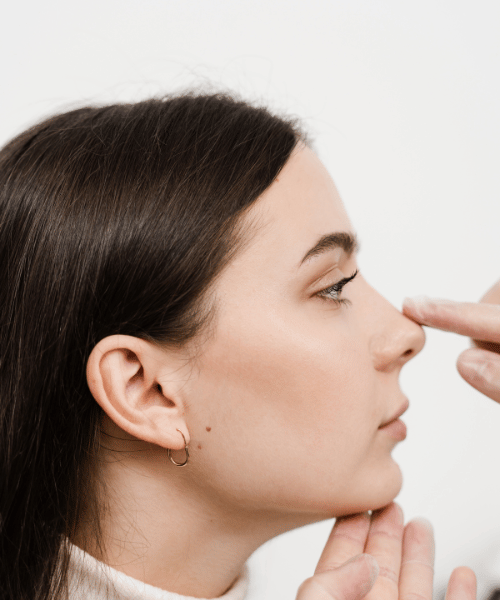
Balance and Function
Harmony that Respects Your Features
The nose is the center of the face, but it should not steal the spotlight. In my structural rhinoplasty approach, we reshape the form and size by reinforcing the bone and cartilage framework and using grafts from your own cartilage when necessary. We don’t look for ‘catalog’ noses, but rather natural, functional, and personalized results: a nose that breathes well, integrates harmoniously into your face, and allows attention to be directed toward your eyes and your smile.
What is the procedure like?
We conduct a photographic study and an analysis of your facial proportions. We listen to your concerns (dorsal hump, drooping tip, or a nose/tip that is too wide and lacks definition) and project a realistic result tailored to your bone structure.
Under general anesthesia, we perform the procedure through an open approach. We use structural techniques to provide support to the tip and bridge, ensuring that the result remains stable over time.
We prioritize the preservation of tissues to minimize inflammation and bruising. If there are functional issues (deviated septum or turbinates), we correct them during the same surgical procedure.
We place a protective nasal splint that you will wear for a few days. In most cases, we do not use painful nasal packing, making the recovery much more comfortable.
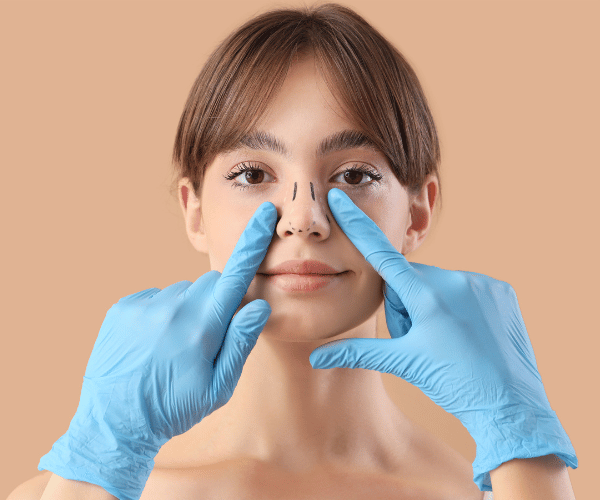
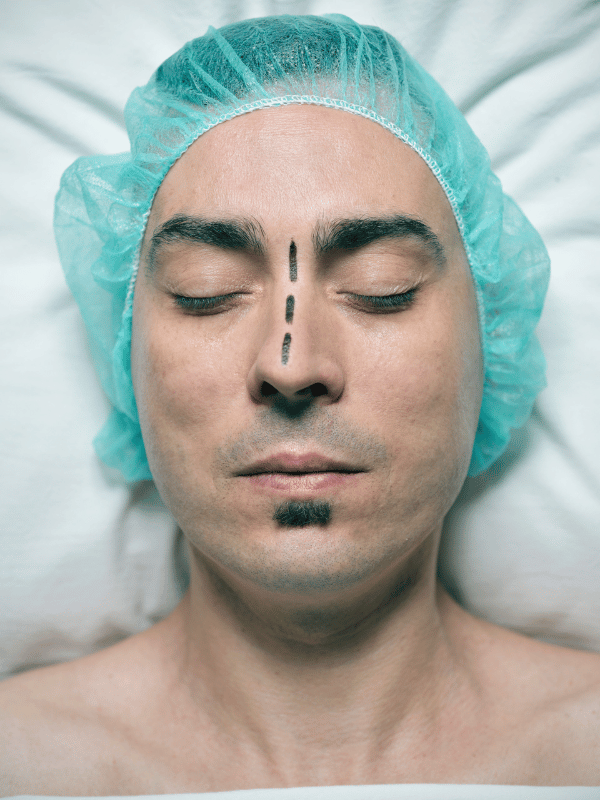
Recommendations for your well-being
Before the surgery:
If you have preexisting breathing problems, let us know so we can plan the functional correction.
Have a deep facial cleansing one week beforehand to ensure clean pores and prevent infections.
Inform us about the use of anticoagulants and aspirin, and discontinue supplements such as Omega 3, Vitamin E, garlic, and ginkgo biloba 15 days beforehand to avoid excessive bruising.
After the surgery:
Apply indirect ice to the cheeks during the first 48 hours to control swelling.
Sleep with your head elevated (two pillows) during the first week to promote drainage.
Do not get the nasal splint wet. We will remove it in the office (usually between days 7 and 10).
Do not wear glasses that rest on the nose during the first month, and avoid direct sun exposure to prevent bruising from darkening.
Perform gentle rinses with saline solution 3 to 4 times a day to keep the area hydrated and clean. It is vital that you do not blow your nose forcefully to avoid bleeding and protect internal healing.